About Us
Brain Health Education & Research Institute (BHERI) was founded on a simple but powerful belief: a traumatic brain injury is a physical injury — and like any physical injury, the brain needs the right support, environment, and resources to heal.
For too long, individuals affected by concussion and traumatic brain injury have been told to simply rest, wait, and hope symptoms improve. At BHERI, we believe recovery requires more. We take a proactive, personalized approach focused on supporting the brain’s natural ability to heal through education, nutrition, and evidence-informed brain health strategies.
BHERI is an applied research institute and care organization dedicated to improving outcomes for those impacted by brain injuries — including active-duty military members, veterans, law enforcement officers, first responders, athletes, and civilians. These individuals often face unique challenges after injury and deserve access to innovative solutions that help them recover, regain confidence, and get back to feeling like themselves again.
Through research, personalized care protocols, and a commitment to advancing brain health, BHERI is working to redefine what recovery after brain injury can look like.
We Believe in A Collaborative Approach
Where Our Protocol Began (text below) BHERI’s approach to brain health began with a simple but important question: Why were so many service members committing suicide or struggling to recover after brain injuries?
As a retired U.S. Army Colonel, physician, and researcher, Dr. Michael Lewis spent years studying the role of nutrition in brain health. Through an NIH-funded study examining hundreds of active-duty military suicide cases, he identified important patterns involving omega-3 deficiency and other biological factors that may affect brain function and recovery.
Those findings became the foundation for BHERI’s brain health protocol.
Over the past decade, that protocol has continued to evolve through research and real-world patient outcomes. Today, BHERI combines targeted nutritional support, personalized coaching, blood-based testing, hormone optimization when appropriate, and virtual care to create individualized recovery plans for each participant.
Since 2013, BHERI has helped military members, veterans, first responders, athletes, and civilians take meaningful steps toward better brain health while continuing to expand the evidence behind its approach.
Our Team
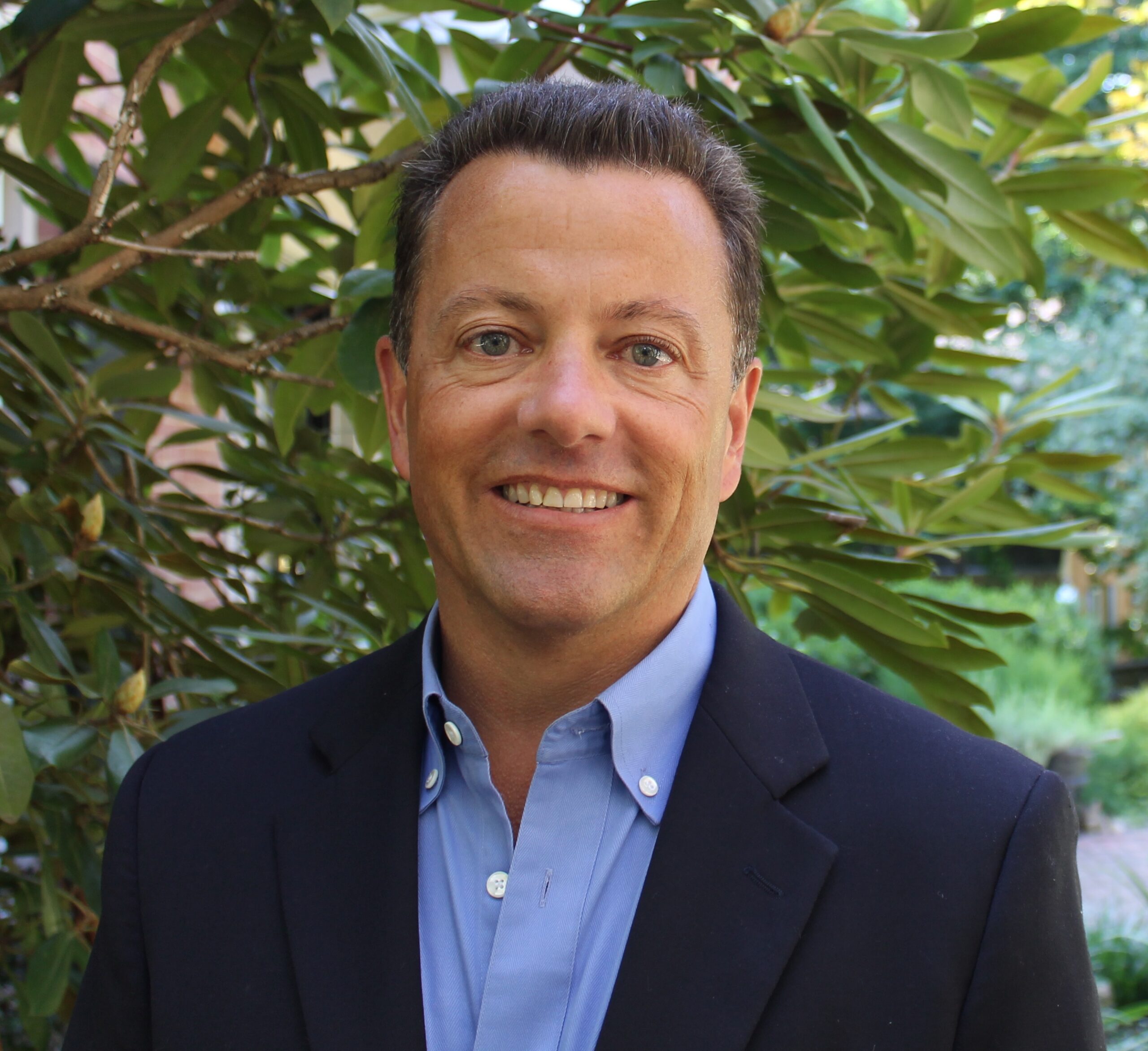
Dr. Michael Lewis
Founder
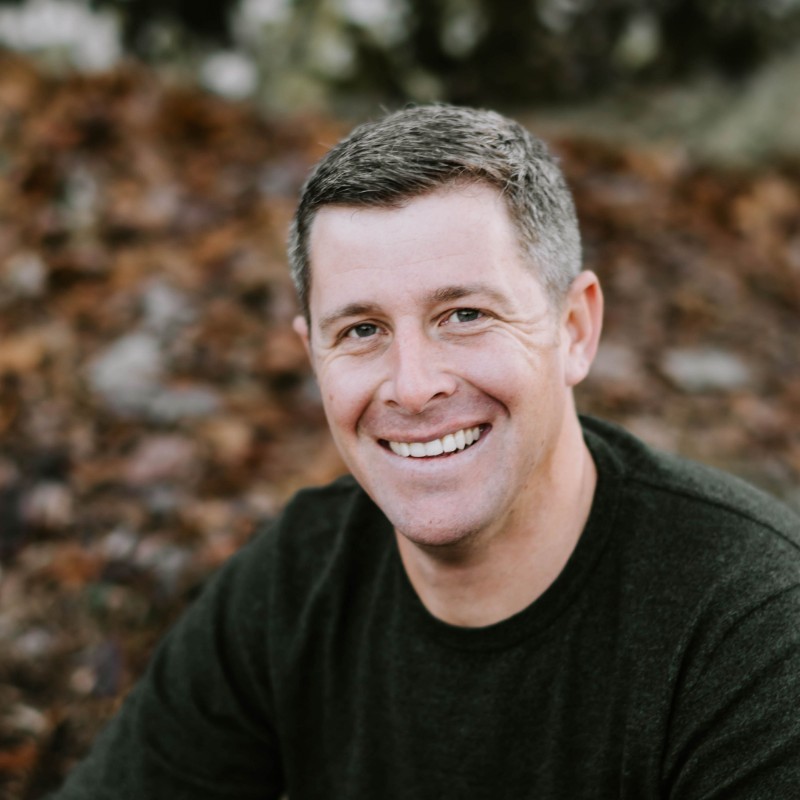
Andy McIndoe
President
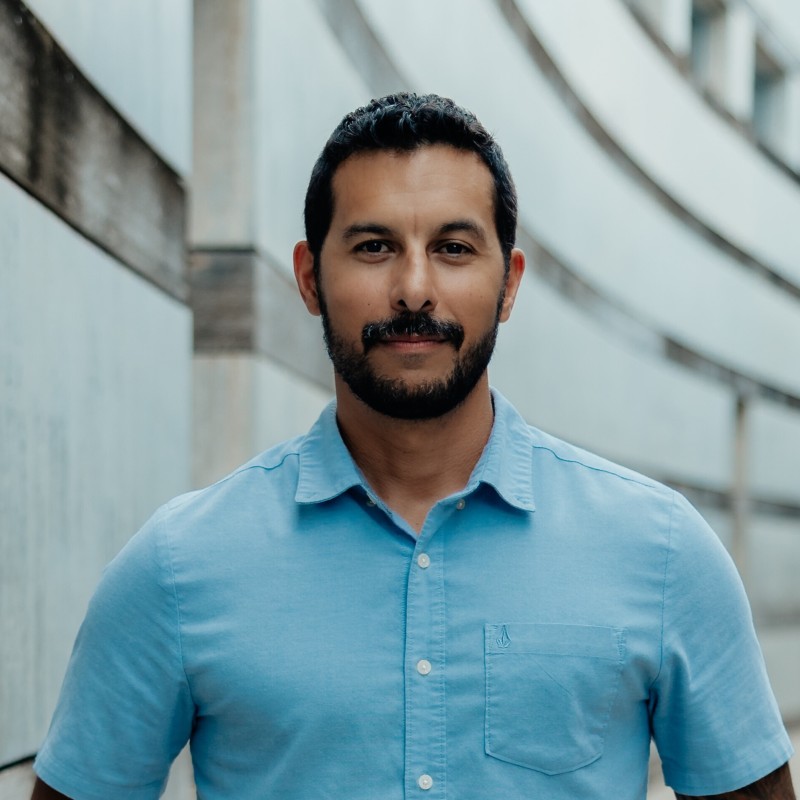
Andrew McCabe
Director of Programs
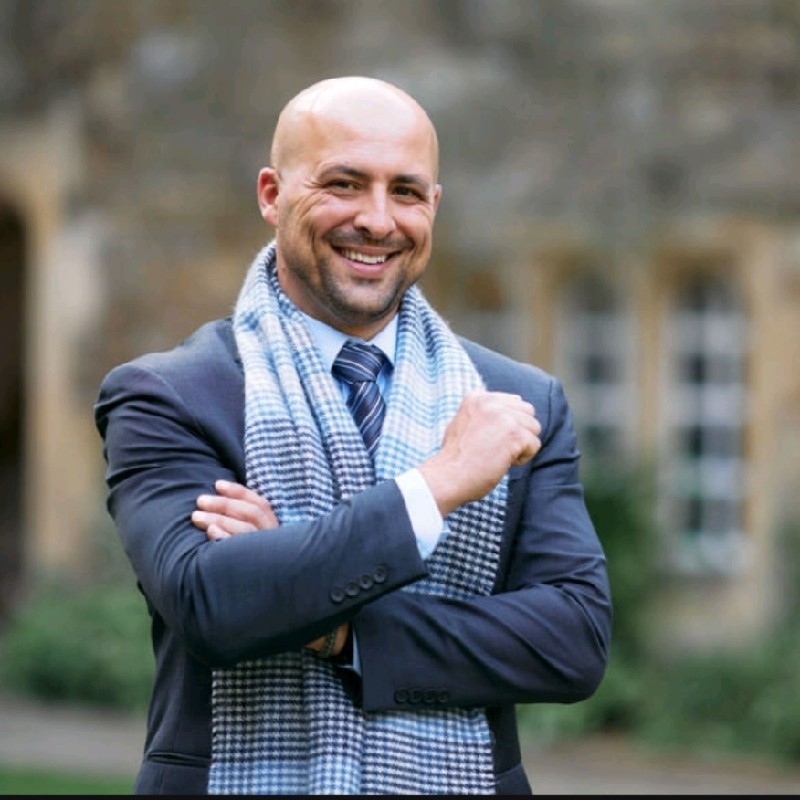
Jacek Wijtewski
Patient Outcomes
What Makes Us Different
Most TBI care is built around symptom management: track what’s wrong, wait for it to improve, return to duty/work/life when symptoms subside. We don’t believe that’s care. That’s monitoring.
Our approach goes to the root. The brain sustained a physical and chemical injury. We address it that way — saturating the brain with the high-quality, absorbable omega-3s it needs to rebuild, while supporting the body through any hormonal disruption that has developed in the months or years since the original injury. Because we operate a telehealth model, we can enroll a patient within 48 hours of referral and ship their protocol the same day.
Every participant is paired with a personally selected coach — not a clinician who treats them, but someone who has lived their experience. Special Operations veterans coach Special Operators. Law enforcement officers coach other officers. That human connection, alongside the science, is what our outcomes data consistently points to as a driver of recovery.
Participants track 27 symptom markers from enrollment through completion. Our cohorts have produced an average 52% reduction in reported symptoms.

Our Approach to Research
BHERI is more than a care provider—we are an applied research institute that delivers personalized brain health care while advancing the science of recovery.
Every person we serve contributes to a growing body of real-world outcomes. We carefully track progress throughout each participant’s journey, allowing us to continually evaluate and improve our programs. As more individuals complete the program, our evidence grows stronger, helping demonstrate what works to healthcare systems, government agencies, and funding partners.
Under the leadership of Dr. Michael Lewis and our medical advisory council, numerous peer-reviewed research papers have been published on the use of omega-3 fatty acids in traumatic brain injury recovery. We are now preparing our first peer-reviewed outcomes publication based on data collected from participants in BHERI’s brain health programs.
Who We Serve
BHERI supports individuals facing the challenges of brain injuries, concussions, and changes in brain health—providing personalized care designed around each person’s unique experience and recovery goals.
Veterans — Return to Life
Medically retired service members and veterans often carry the lasting effects of repeated brain injuries. Our goal is to help them improve brain health, regain confidence, and reconnect with the life they want to live.
Active Service Members — Return to Duty
Service members may experience the cumulative effects of injuries that are unreported, overlooked, or difficult to recover from. BHERI works alongside service members, leadership, and healthcare teams to support recovery and readiness.
Law Enforcement Officers & First Responders
From local law enforcement mental performance programs to national partnerships supporting Internet Crimes Against Children (ICAC) task forces, BHERI serves those who experience the unique cognitive and emotional demands of protecting others.
Athletes & Sports-Related Injuries
Young athletes and active individuals experiencing concussions deserve support that goes beyond simply waiting for symptoms to resolve. BHERI provides personalized brain health support to help individuals understand their recovery and take proactive steps toward improved brain function.
Civilians & Injury Recovery
Brain injuries can happen to anyone. BHERI also supports civilians recovering from concussions, car accidents, falls, and other injuries that may impact brain health, focus, memory, energy, and quality of life.
No matter the cause, our mission remains the same: helping people improve brain health and get back to feeling like themselves again.
Our Model
BHERI operates as a 501(c)(3) nonprofit organization dedicated to expanding access to personalized brain health care for individuals recovering from brain injuries and seeking improved brain health.
Our programs are made possible through a combination of grants, strategic partnerships, organizational contracts, and individual donations. These funding sources allow BHERI to provide care opportunities for individuals who may not otherwise have access to specialized brain health support.
This sustainable model allows us to remain focused on our mission while continuing to expand access for military members, veterans, law enforcement officers, first responders, athletes, and civilians recovering from brain injuries.
Where We're Going
BHERI’s vision is to make personalized brain health recovery accessible to more people who need it—regardless of where they live or their ability to access specialized care.
Building on our roots in Northwest Arkansas and Potomac, MD, we are expanding our reach to serve rural and underserved communities across the country. Through strategic partnerships, research, and grant-supported initiatives, we are working to create a scalable model of care that brings education, coaching, and personalized brain health support to those who need it most.
Our goal is simple: to help more individuals recover, improve their quality of life, and receive the support they deserve after experiencing a brain injury.